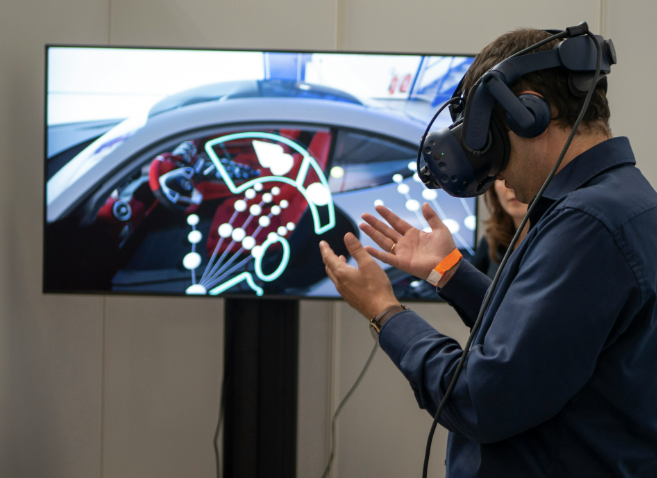
Virtual reality operates at the intersection of cutting-edge technology and immersive design. It employs head-mounted displays for visual engagement and motion tracking systems to monitor user movements. This combination creates a dynamic interaction within virtual spaces. Additionally, sensory feedback enhances the overall experience, contributing to a sense of presence. Understanding the intricate mechanisms behind these elements reveals not only how VR functions but also its potential applications across various fields.
The Hardware Behind Virtual Reality
As virtual reality (VR) technology continues to evolve, the hardware that underpins these immersive experiences plays a critical role in their effectiveness and realism.
Head mounted displays (HMDs) provide the visual interface, while advanced motion tracking systems capture user movements, enabling a seamless interaction with virtual environments.
This combination of precise tracking and high-quality displays empowers users, granting them the freedom to explore and engage.
Software That Powers Immersion
Immersive virtual reality experiences are driven by sophisticated software that meticulously crafts the virtual environments users interact with.
These experiences rely on advanced software algorithms that simulate realistic interactions and dynamic scenarios, allowing users to traverse expansive digital landscapes.
Interacting With the Senses
The efficacy of virtual reality experiences hinges not only on powerful software but also on the intricate ways users interact with their senses.
Sensory feedback plays a critical role in crafting immersive experiences, engaging sight, sound, and touch to simulate reality. This multisensory engagement enhances user agency, allowing individuals to navigate virtual environments with unprecedented freedom, ultimately elevating the overall experience.
See also: esprit-turf
The Principles of Virtual Environments
A fundamental understanding of virtual environments reveals several key principles that govern their design and functionality.
These principles include the creation of a coherent virtual space, fostering user agency, and enhancing sensory engagement to facilitate immersive experiences.
Conclusion
As users delve deeper into the realm of virtual reality, the intricate dance between hardware and software unfolds, leaving them on the precipice of a new frontier. Each flicker of light and subtle shift in sound beckons exploration, tantalizingly close to unlocking uncharted experiences. Yet, what lies beyond the veil of this immersive technology remains shrouded in mystery. The promise of deeper engagement and unparalleled realism invites curiosity—will the next leap forward redefine the very essence of reality itself?