Scalp detox has been one of the most heavily marketed terms in beauty for a few years now, and most people who buy into it have no idea what’s actually being cleared from their scalp. Or whether their scalp needed clearing at all. Some scalps build up product residue and need it stripped. Others have actual skin conditions where “detox” treatments cause more irritation than they solve. A few have nothing wrong at all and are just being upsold on services they don’t need. Knowing which category a specific scalp falls into is the entire point of a real custom routine, not a generic one applied to everyone who walks in.
Scalp issues are also more common than people admit. Dandruff. Itching. Burning sensations. Persistent flakiness. Oily roots that don’t stay clean longer than a day. None of those are normal, even though they feel normal, because so many people deal with them. A best hair salon in Fairborn client showing up with these symptoms doesn’t need a one-size-fits-all detox sold at the counter. They need someone who can examine the scalp, ask the right questions, and build a routine that actually fits what’s happening beneath the surface.
Fairborn has several salon options nearby. AltaRd Salon LLC is one of the Best hair salons in Fairborn, located on Colonel Glenn Highway, serving the Wright-Patterson and Dayton areas. None of what follows recommends any specific salon. It’s a walkthrough of what custom scalp detoxification actually involves, where the differences between scalps matter, and how to tell whether the recommended routine is built for your scalp or pulled from a generic list.
Scalp Detoxification
The word “detox” gets thrown around loosely in beauty. What it really means at the scalp level is removing accumulated residue, oil, dead skin cells, and product buildup that normal shampooing didn’t fully clear. So the targets are specific. Silicone film from conditioners. Mineral residue from hard water. Sweat salts. Excess sebum. Dry skin cell buildup from natural turnover.
What it doesn’t mean: pulling toxins out of the body, “purifying” the scalp in any medical sense, or treating actual diagnosed skin conditions. Cleveland Clinic’s overview of seborrheic dermatitis notes that what’s often called “dandruff” is actually a mild form of seborrheic dermatitis. This medical condition requires targeted treatment rather than generic detoxing. Knowing what the scalp issue actually is determines whether a salon treatment is appropriate or the right next stop is a dermatologist.
See also: Carpet Cleaning Dubai for a Cleaner and Healthier Home Environment
The Diagnosis Conversation
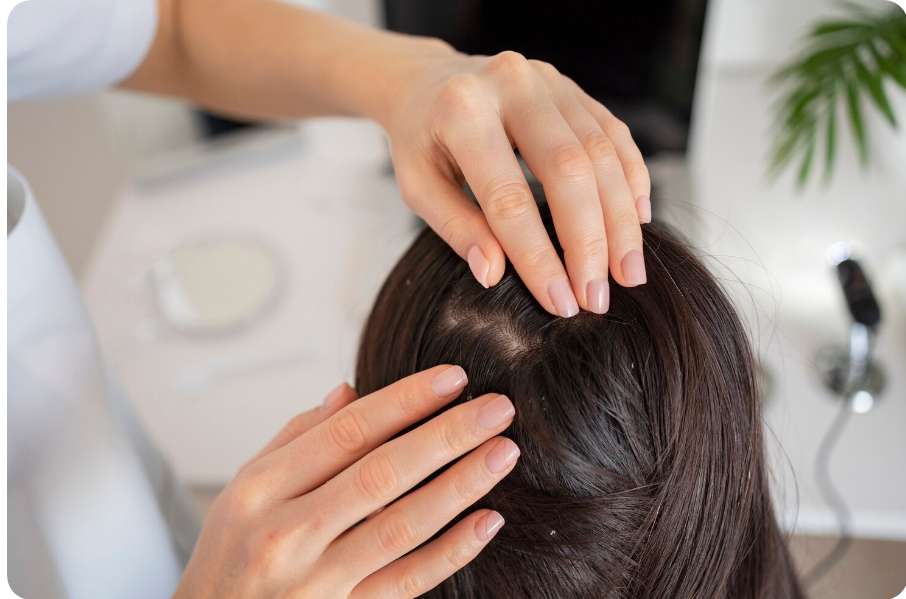
A real scalp consultation looks at the scalp directly under bright light, not through hair that’s already styled. Sections are parted to see the skin clearly. The stylist looks for redness, flaking pattern (greasy vs dry), inflammation, scaly patches, oily zones versus dry zones. Sometimes they’ll ask about itching, burning, recent product changes, stress levels, sleep, diet, and water source.
The American Academy of Dermatology’sself-care guidance for seborrheic dermatitis covers what salon stylists should know but often don’t. Certain flaking patterns and skin presentations need actual medical care, not salon treatments. A trained stylist recognizes the difference and refers out rather than selling a service that’s likely to fail.
In-Salon Treatment
The actual treatment options vary based on what the consultation surfaced. Clarifying shampoo wash for product buildup. Chelating treatment for mineral residue from hard water. Salicylic acid scrub for mild buildup with mild flaking. Tea tree or peppermint treatment for oily scalps and mild itching. Steam treatments to open follicles before deep cleansing. Cooling rinses to calm sensitive scalps.
Order matters. Most quality scalp treatments follow a sequence: scalp massage first (to lift residue), then the clarifying or treatment shampoo (to lift it off), then either a targeted scalp serum or treatment tonic (to soothe or address specific issues), then a non-irritating conditioner only on lengths and ends (not scalp).
Time also matters. Real scalp treatments aren’t 5-minute add-ons. They’re 30- to 45-minute appointments on their own, or they’re built into a longer service window.
Frequency Considerations by Scalp Type
How often a scalp needs a detox-style treatment depends on scalp type, lifestyle, and product use. Oily, product-heavy clients sometimes benefit from monthly. Drier scalps often need treatments only quarterly. Sensitive scalps sometimes shouldn’t be deep-treated more than twice a year. Aggressive treatment of a scalp that didn’t need it disrupts the natural microbiome and oil balance, which can produce the exact problems people thought they were treating.
A salon recommending the same frequency to every client is signaling that they aren’t actually customizing.
When the Scalp Needs a Dermatologist
Some scalp issues are above a salon’s scope. Persistent burning that doesn’t respond to gentle treatment. Visible inflammation that doesn’t calm down. Patches of hair loss, especially with redness or scaling. Bumps, lesions, or scabs that don’t heal. Cracking or weeping skin. Itching severe enough to interfere with sleep.
These signs need a board-certified dermatologist. A scalp treatment that ignores any of them may make things worse. The salons that take scalp care seriously refer out when they see signs of something medical, rather than pretending they can fix it with their menu.
Aftercare and Between-Visit Maintenance
What happens at home between salon visits matters more than what happens in the chair. Daily product choices either preserve scalp health or undo treatment results within days. Lower-silicone conditioners. Sulfate-free shampoos where appropriate (or normal shampoos for clients who need stronger cleansing). Avoid heavy scalp oils for clients with naturally oily scalps. Targeted treatments at home based on the salon assessment.
A salon delivering custom scalp work also sends clients home with specific guidance. Not just a recommendation to buy a single product, but a small routine matched to what the consultation found. Scalps that are consistently cared for at home and treated in-salon periodically are the ones that look and feel better six months in. The ones that get a one-time detox service and then no home-care change tend to look the same a few weeks later. That’s where the difference between custom care and generic care really shows up over time.